Understanding these Influence of External Aspects in the Endurance of Dance Floors in Different Settings
Movement surfaces are an essential part of many social settings, including dance venues, local facilities, and gathering spaces. The durability of these dance floors can be significantly influenced by multiple surrounding elements. Recognizing these influences can assist operators and administrators preserve their dance surfaces in optimal shape, ensuring a safe and enjoyable atmosphere for everyone. This guide will discuss important external influences such as humidity, temperature, pedestrian activity, and upkeep practices.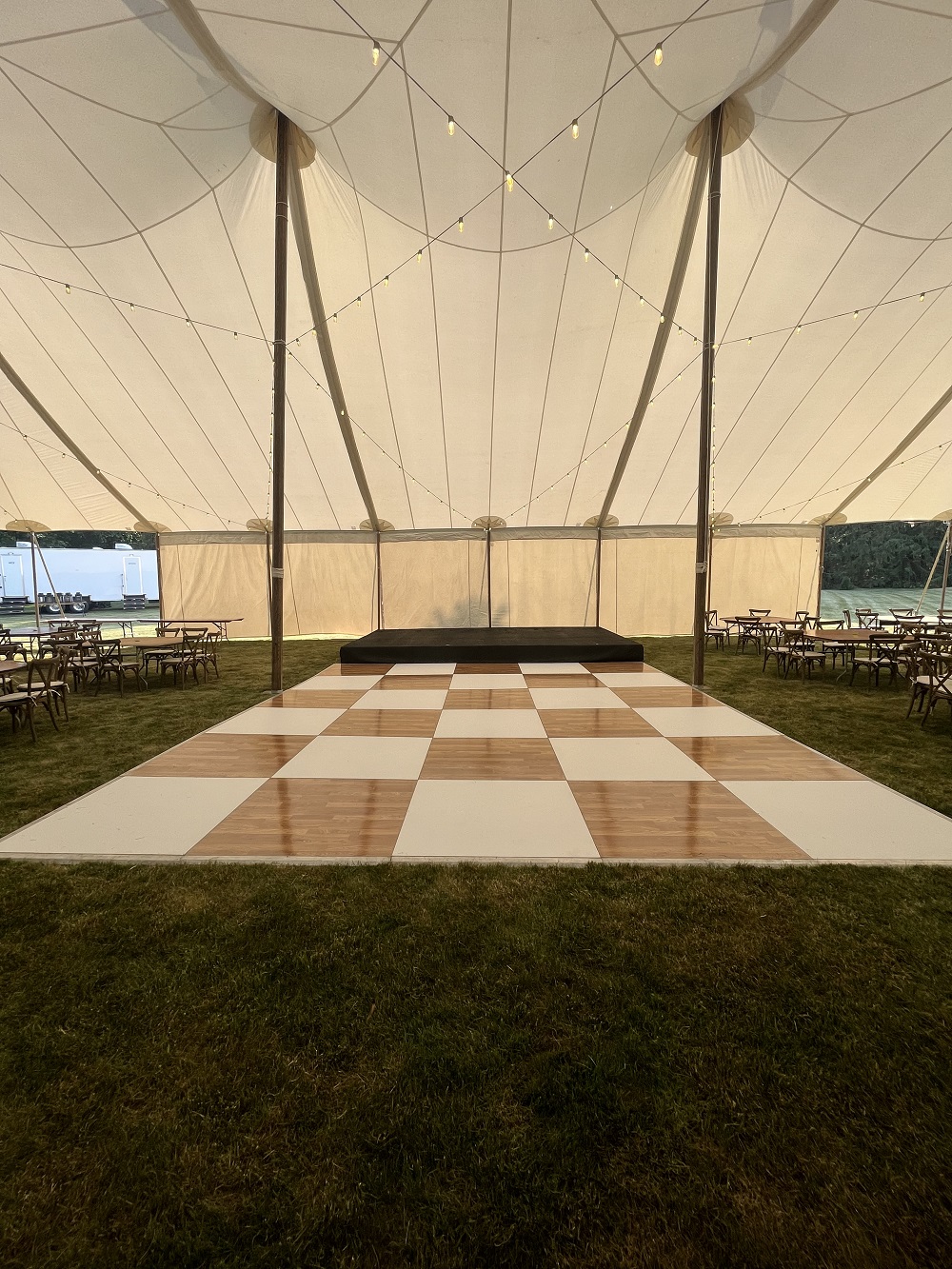
Humidity holds a crucial part in the health of performance surfaces, particularly those constructed with timber. When humidity ranges are elevated, wooden surfaces can take in dampness, resulting in warping and buckling. On the other hand, minimal moisture can cause wood to dry out and crack. Dance floor managers should track moisture levels and consider using drying units or humidifiers as required to maintain a stable environment. Adequate airflow is also essential because it helps control humidity conditions. Maintaining that the area has good circulation can extend the lifespan of the performance floor.
Temperature is another significant factor affecting the durability of performance surfaces. Extreme heat can cause flooring components to expand, while low temperatures can result in shrinking. Performance floors need to be kept at a moderate temperature to prevent damage. Moreover, when dance surfaces are subjected to constant sunlight for extended periods, they may lose color or become stained. Adding window treatments or placing safeguarding barriers when the area is not in operation can help shielding the dance floor from damaging UV rays and temperature fluctuations.
Pedestrian activity is an unavoidable aspect of any performance surface’s lifespan. The type and regularity of usage directly impact wear and tear on the surface. Heavily used areas are more likely to show evidence of see damage such as marks, scratches, or dents. To reduce this problem, it is wise for facility managers to rotate functions or designate specific zones for different activities. Using floor mats in front of entrances can also minimize dirt and particles being tracked onto the performance floor, which contributes to wear.
Regular upkeep is vital for preserving performance floors across various settings. This involves regular sanitizing to eliminate dirt and debris that can damage surfaces, as well as applying the suitable finish or sealant to safeguard against liquid damage and stains. A well-maintained dance floor not only looks improved but also provides a more secure environment for performers by minimizing falls and accidents. Establishing a maintenance schedule that includes evaluations and repairs will assist in ensure that any problems are addressed promptly before they worsen.
In summary, external factors such as humidity, climate, foot traffic, and upkeep practices directly affect the durability of dance floors in various settings. By understanding these elements and implementing proactive steps, venue operators can extend the durability of their flooring systems. news This not only guarantees a longer lifespan for the flooring material but also maintains a safer and more enjoyable environment for all who use it.